Newsletter Subscribe
Enter your email address below and subscribe to our newsletter
Enter your email address below and subscribe to our newsletter

 ByJohn A
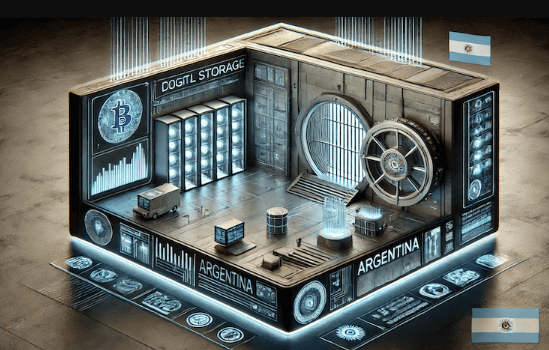
Cold storage custody protects private keys by isolating them from online networks and logging all access. It relies on tamper-evident storage, offline signing, and disciplined key management backed by governance and incident plans. A resilient approach blends air-gapped backups, controlled reintroduction of keys, diversified locations, and layered access controls. The balance between security, practicality, and user autonomy is delicate, and compromises carry measurable risk. The path forward is governed by policy and auditability, with consequences for those who underestimate the threat.
Cold storage refers to the offline, secure storage of cryptocurrency private keys and related assets, isolating them from online networks to reduce exposure to cyber attack risks. This approach aligns with privacy fundamentals and emphasizes hardware considerations, including tamper-evident storage, offline signing processes, and robust key management.
It supports freedom through controlled, auditable custody while mitigating systemic operational risks.
Effective offline key management hinges on selecting methods that minimize attack surfaces while ensuring reliable access when needed. The discussion presents practical options for offline insulation and portable media handling, emphasizing structured, policy-aligned procedures.
Air gapped backups reduce exposure but require robust provenance and controlled reintroduction.
Practices balance freedom with discipline, documenting access, rotation, and verification to sustain trust and resilience.
A resilient cold storage plan integrates risk assessment, policy alignment, and practical controls to ensure reliable key retention without compromising security. It emphasizes governance, access separation, and incident response. The approach requires redundancy through redundant backups and strategic diversification of storage locations, including air gapped deployment, to withstand hardware failures, supply chain disruptions, and insider threats while preserving user autonomy.
What are the principal tensions between security guarantees and operational practicality in cold storage custody, and how do these trade-offs shape policy and execution? The discussion emphasizes risk-aware governance, layered access controls, and contingency planning. Privacy crafts must align with auditability, while supply-chain hygiene and recovery drills reduce exposure. Best practices balance resilience, accountability, and user freedom without compromising essential controls.
See also: AI in Healthcare Innovation
In the event of loss or damage, the recovery process relies on supervised protocols for lost key recovery and disaster planning, including dual-authenticator restores, secure seed backups, and audited recovery procedures that preserve autonomy while ensuring accountability and risk mitigation.
The answer begins with a striking stat: 95% of institutions report regulatory compliance gaps in cold storage. It then notes custody licensing, security certifications, and governance frameworks shape risk-aware, policy-driven oversight for institutions pursuing compliant, freedom-supportive custody.
Air gapped hardware differs from offline software wallets by physically isolating devices versus software dependencies; air gapped ensures no network path, while offline software relies on removable media. Risk-aware, policy-driven, detail-oriented guidance emphasizes controlled, auditable workflows for freedom-seeking audiences.
Cold storage can support liquidity integration through carefully designed custody interfaces, enabling integration with liquidity while preserving security; hot wallets may access funds briefly, but the cold hodl vs hot exchange dynamic remains critical for risk-aware governance.
Indicators compromise suggest sudden key mutations, abnormal signature failures, or unexplained transaction delays; offline key integrity erodes when unauthorized access, device tampering, or firmware rollback occur. Policy-driven monitoring detects anomalies, mitigating risk while preserving user autonomy and privacy.
Cold storage custody remains the steadfast guardian of private keys, preserving autonomy while shielding assets from online threats. A resilient plan relies on air-gapped backups, diversified storage, and strict access controls, all underpinned by formal policies and incident playbooks. Trade-offs between convenience and security must be documented, tested, and revisited. In practice, governance and audits must never relax; they must tighten. It is as critical as it is fragile, like a vault whose seams demand unwavering discipline.